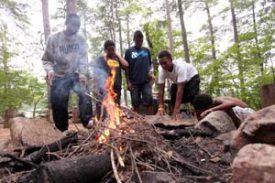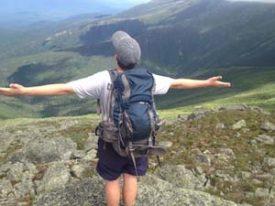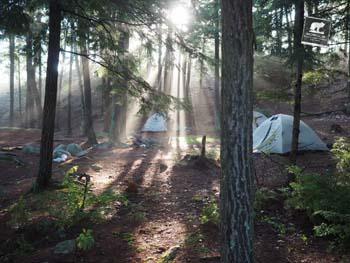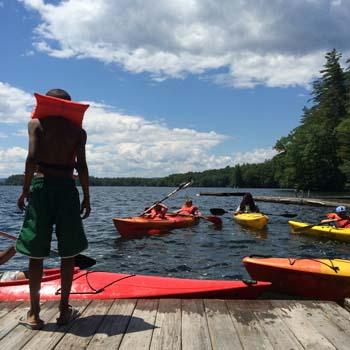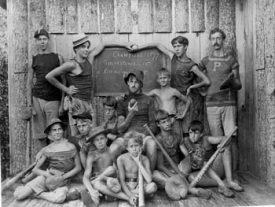

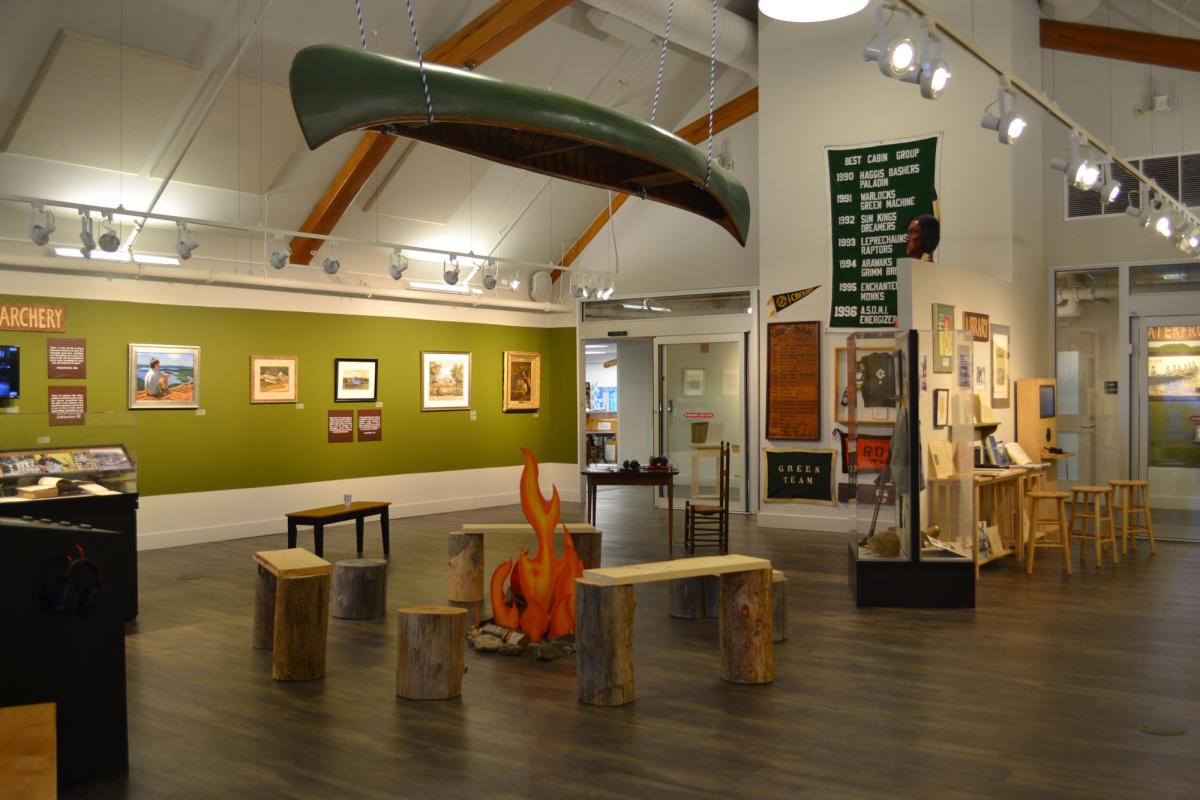
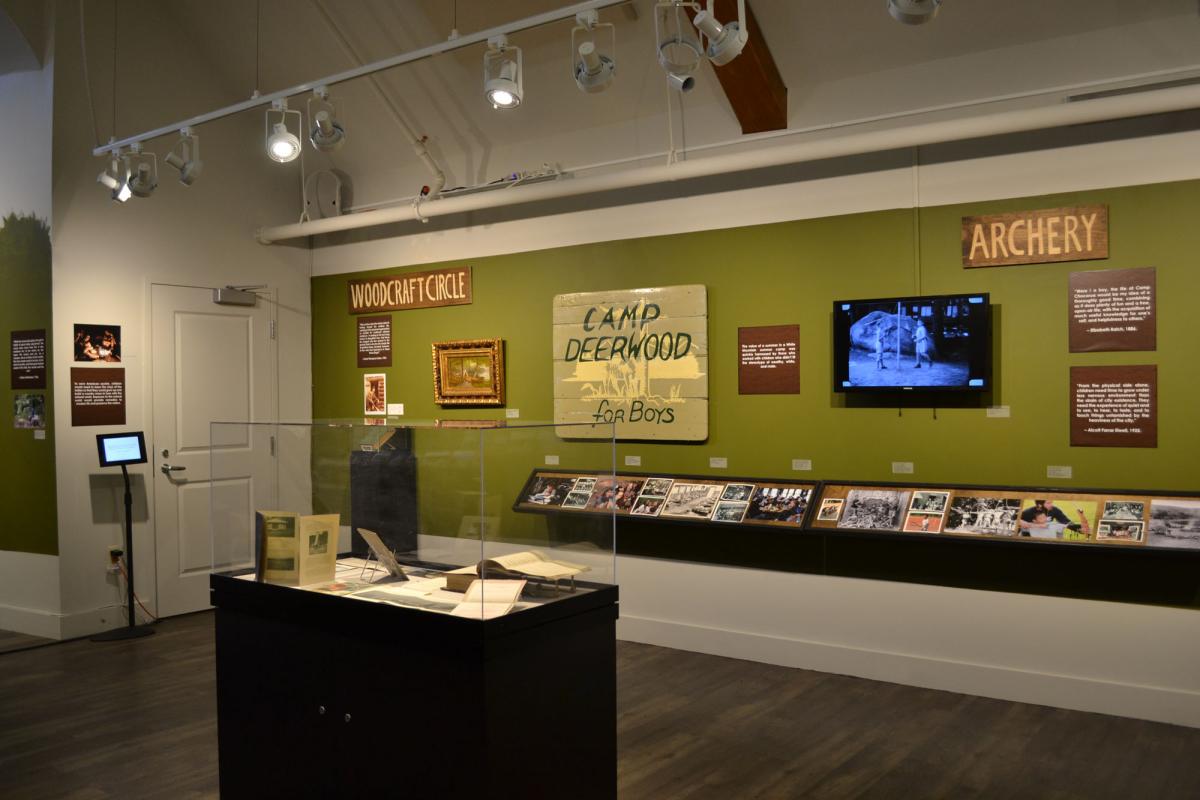
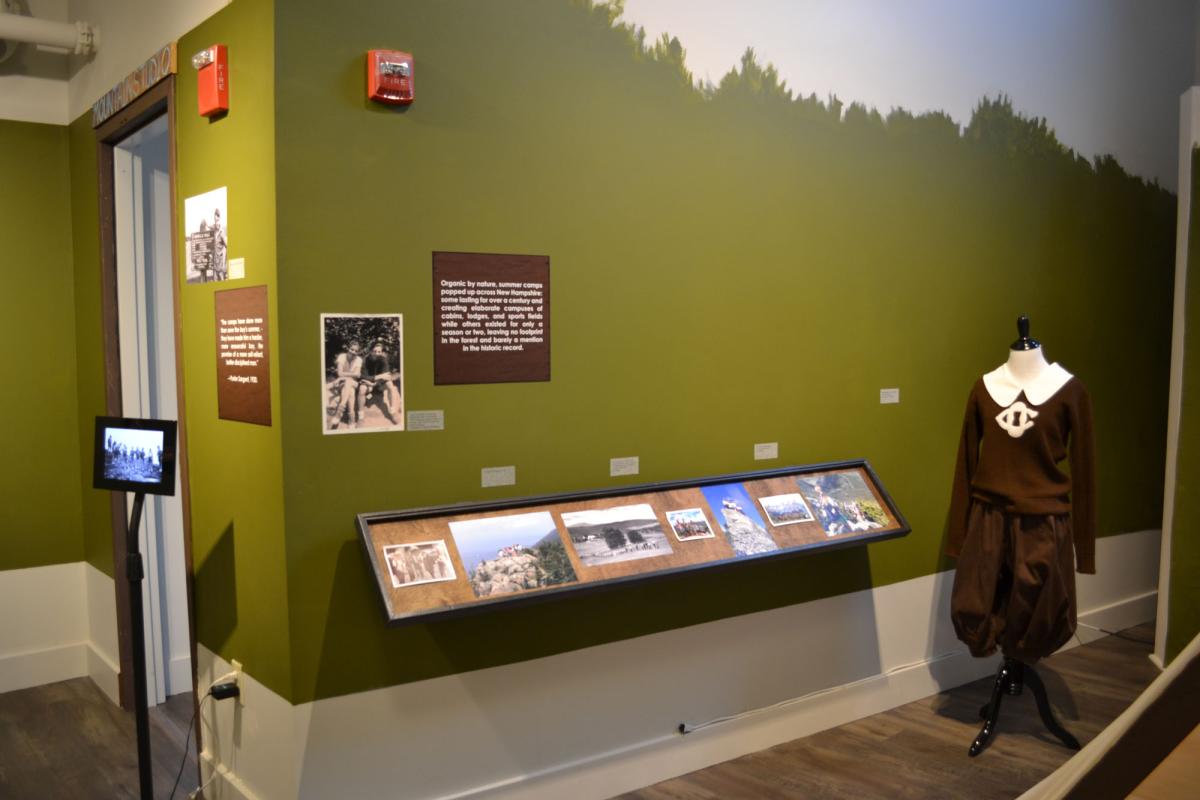
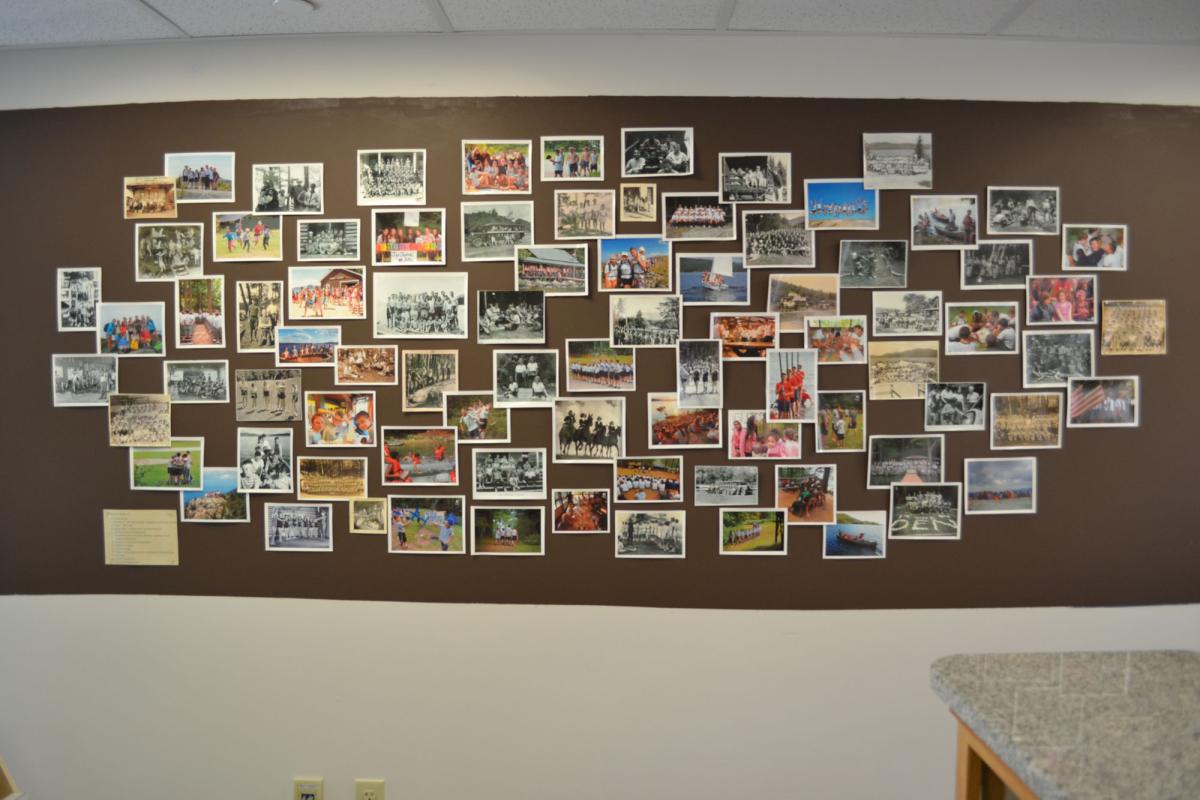
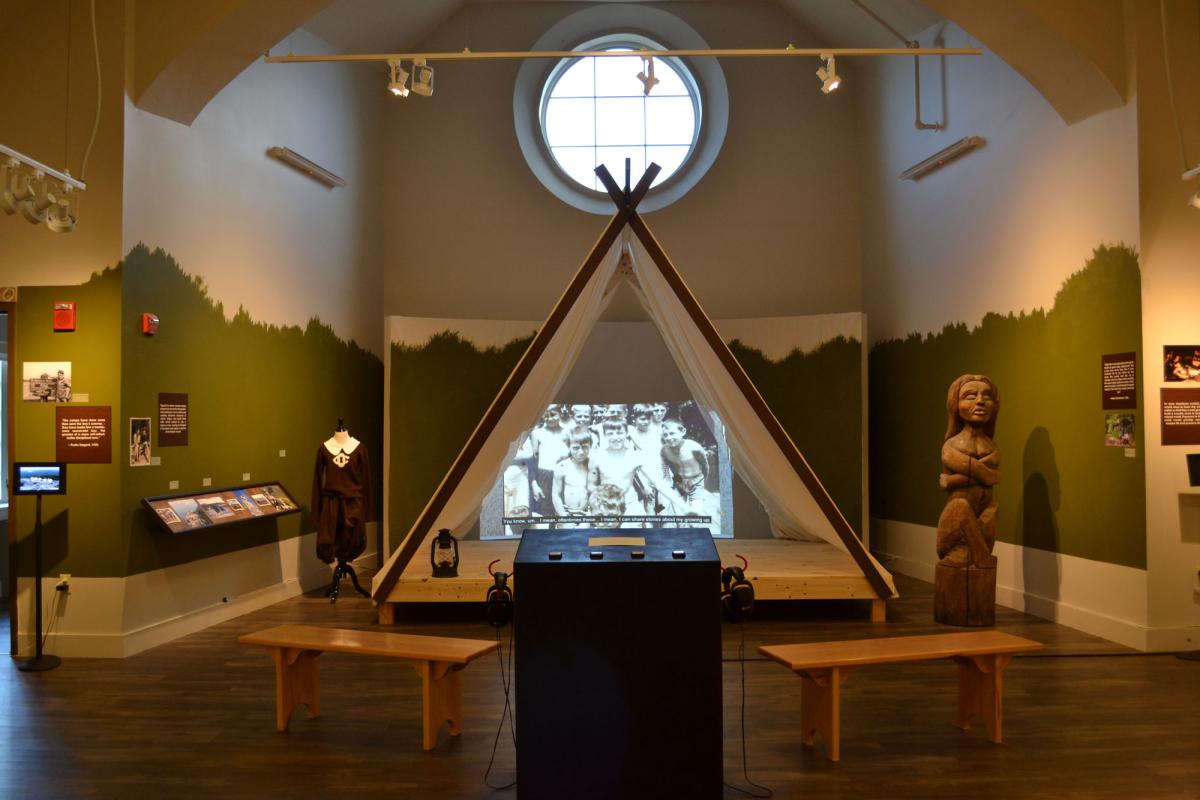
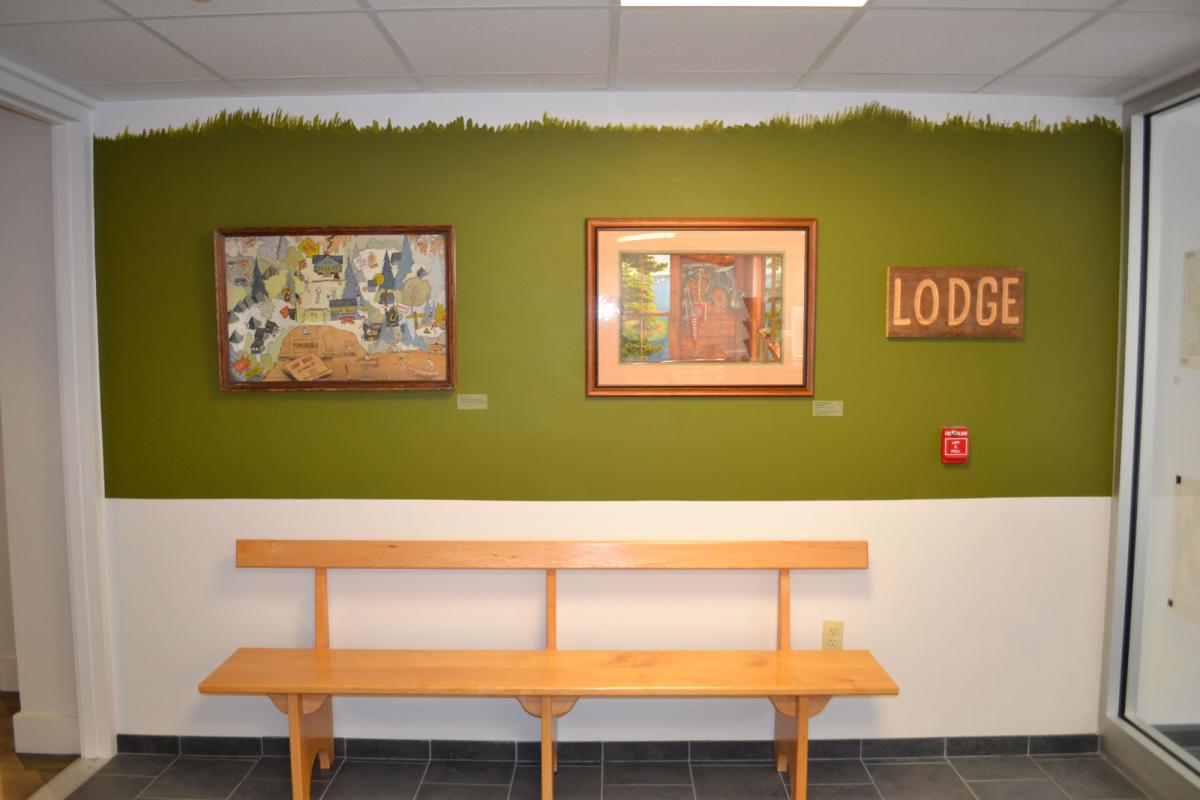
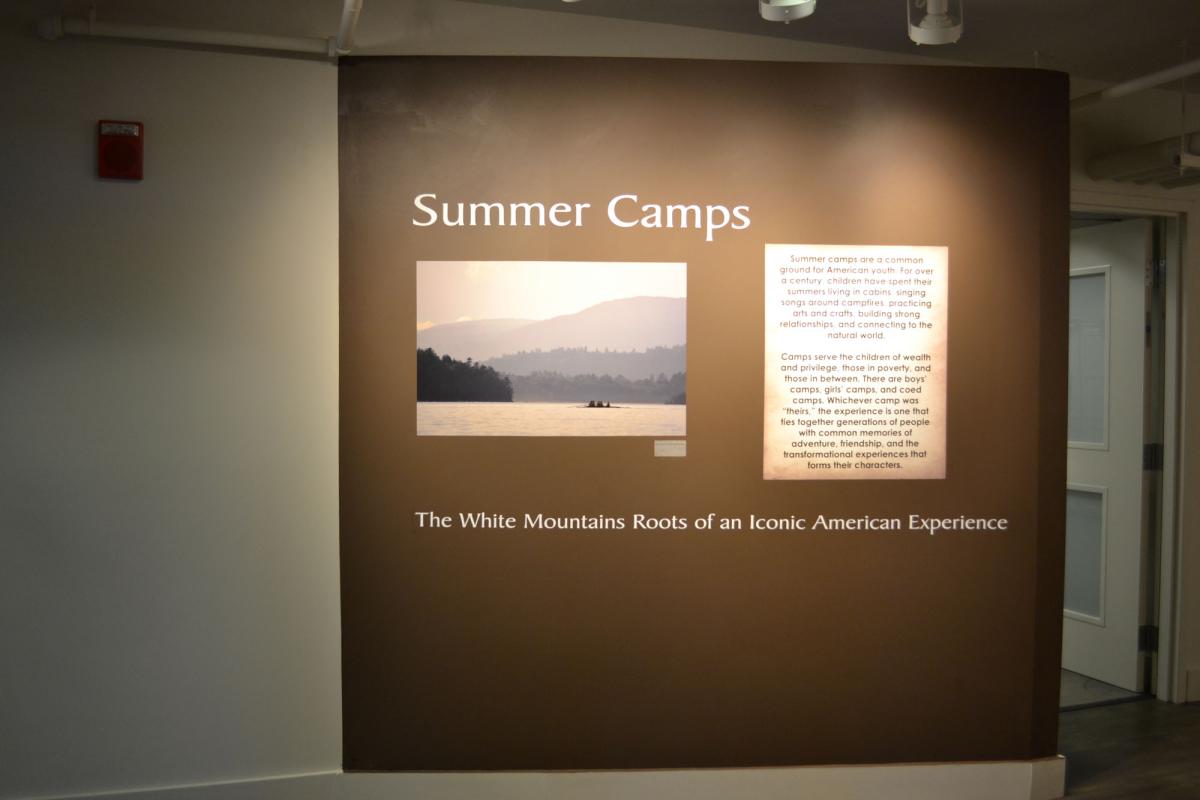
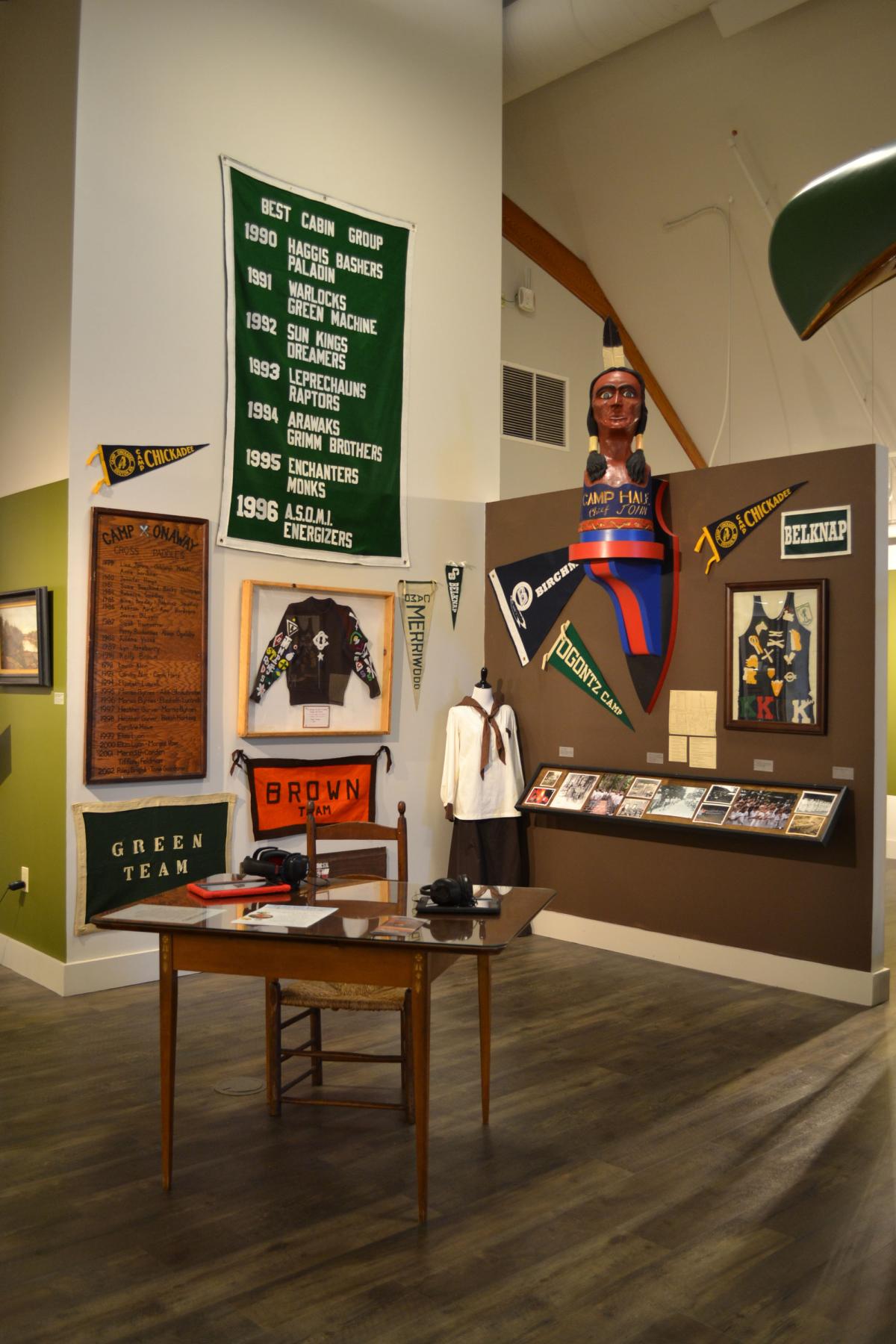
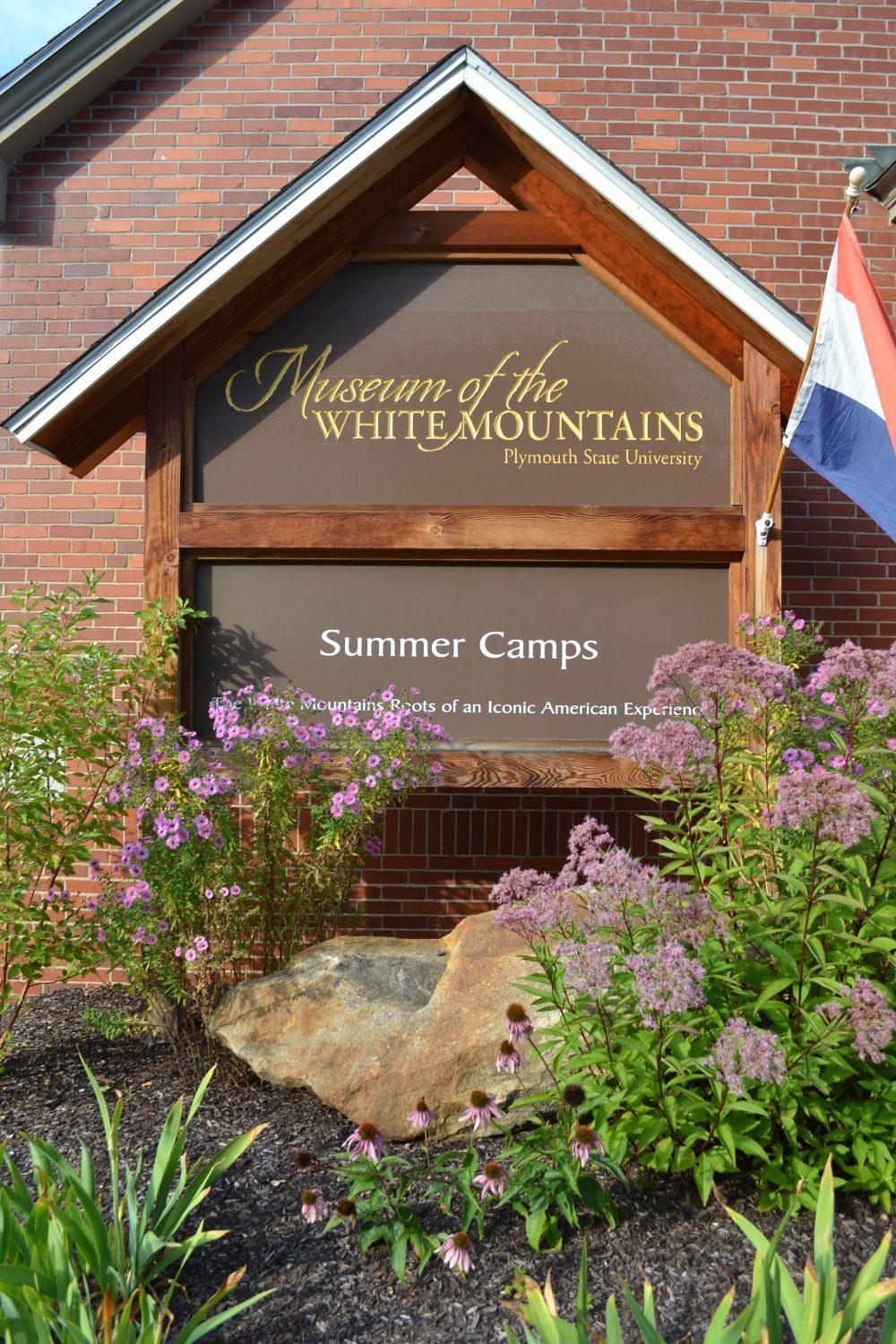
Our Summer Camps exhibition tracesthe sparks cast by the Transcendentalists and the early White Mountain tourists. They were the kindling for the first American summer camps that caught fire along the shores of Squam Lake and became the popular camps of the Progressive Era. These led to the torches carried forth by generations of campers from then to now.
In addition to images, artifacts, and narratives of the history of summer camp, the exhibit includes a participatory digital experience titled Camp Stories, inspired by the popular oral history project Story Corps. The tales collected through Camp Stories will not only be part of the exhibit, but will also be a lasting legacy for students and researchers into the future.Visit Plymouth State YouTube to watch and listen to our “Camp Stories” Oral History Collection.
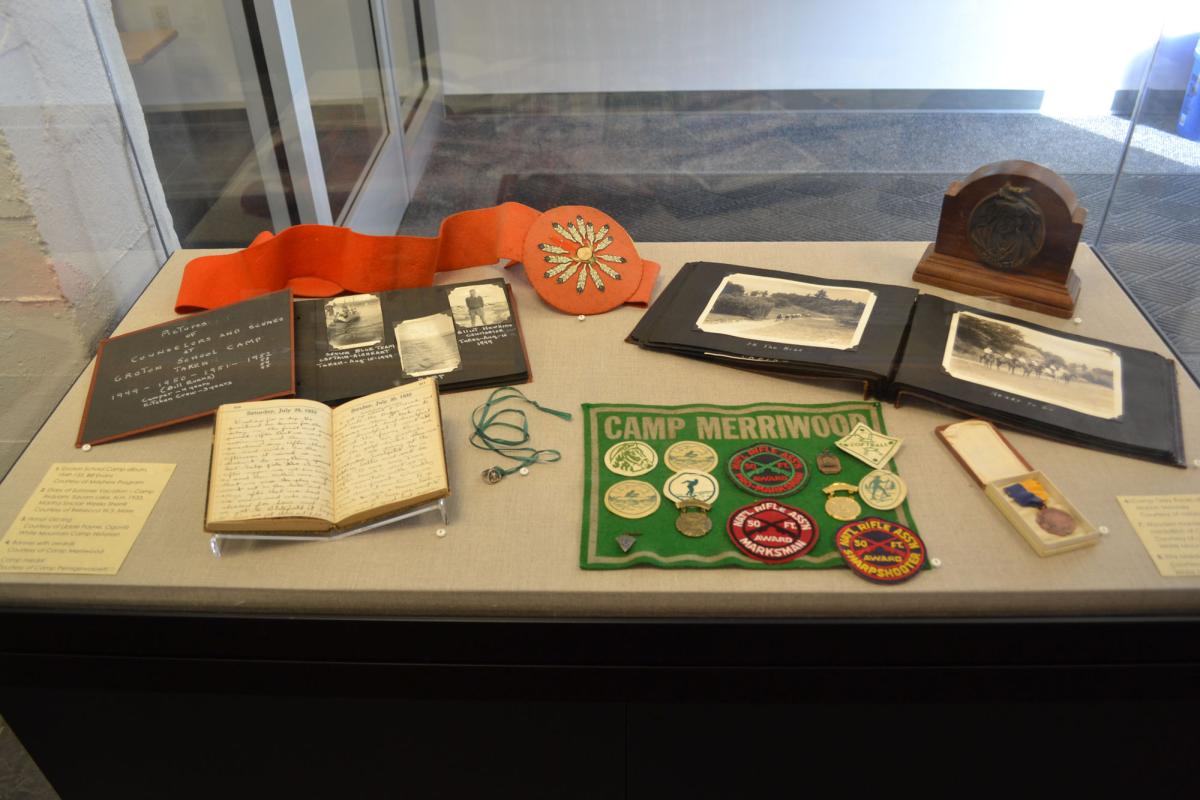
New Hampshire Camps who provided assistance and/ or are featuredin this exhibition include: YMCA Camp Belknap, Camp Berea, YMCA Camp Coniston, Camp Deerwood, Camp Hale – United South End Settlements, The Horton Center, Kingswood Camp, The Mayhew Program (formerly Groton School Camp), Maplewood Caddy Camp, The BALSAMS Caddy Camp, Camp Merriwood, Camp Mowglis, Ogontz White Mountain Camp, Camp Onaway, Camp Pasquaney, Camp Pemigewassett, Pierce Camp Birchmont, Camp Sentinel, and Camp Winnetaska.





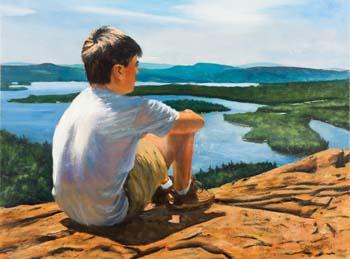
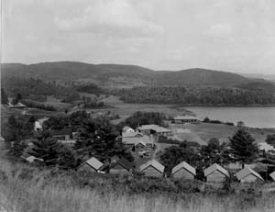
In the summer of 1880, Ernest Balch, a recent Dartmouth College dropout, and a few friends set up camp on the shore of Squam Lake in New Hampshire. There Balch developed an idea that wouldtransform the lives of millions of American youth from all walks of life, the American Summer Camp.
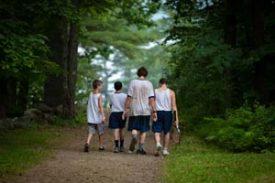
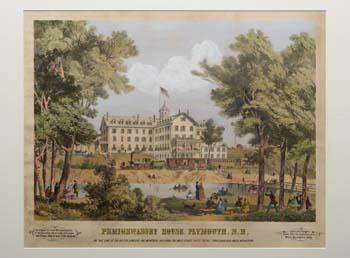
In the last half of the nineteenth century, New Hampshire’s White Mountains were home to a rapidly developing tourist industry catering to the wealthy elites of Boston, New York, and Philadelphia. Balch believed this was harming the children kept in tow as their parents enjoyed the luxury of the fashionable resorts.
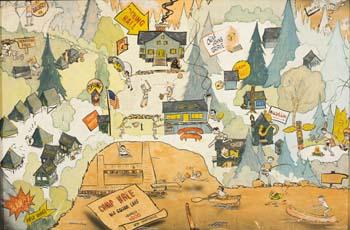
Rather than let the self-indulgence of high society erode the character of these youth, Balch envisioned a different kind of resort; one where boys could learn self-governance, the value of money, and a strong work ethic, while still experiencing fun and adventures. In 1882, Balch created Camp Chocorua on Squam Lake’s Chocorua Island. His campers cleared trails, built cabins and canoes, cooked meals, and washed dishes.
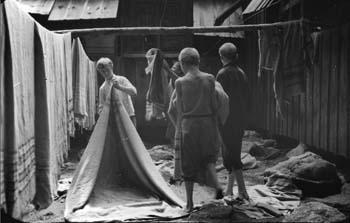
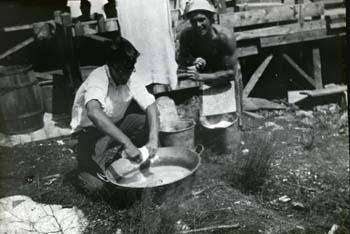
The camp, along with Camp Harvard (which opened in 1885 after being inspired by Balch’s ideas), soon gained national recognition when St. Nicholas magazine ran stories on these innovative programs in their June 1886 issue.
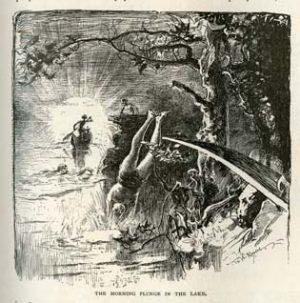
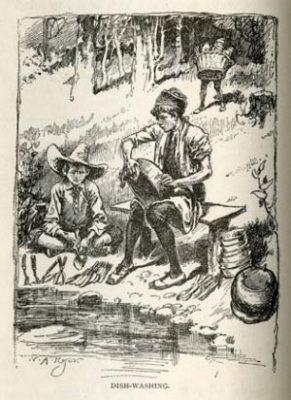
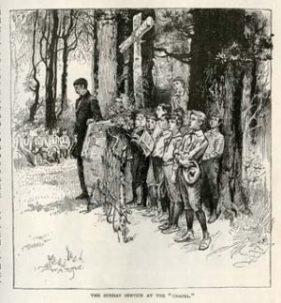
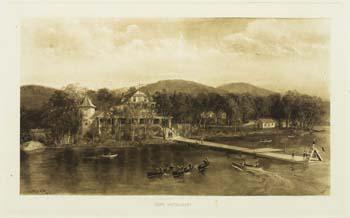
They camp out at night and have many amusing adventures by day…[They are] jolly, brown-faced, red-capped lads, who make the hills ring cheerily with their songs and laughter…Were I a boy, the life at Camp Chocorua would be my idea of a thoroughly good time, combining as it does plenty of fun and a free, open-air life, with the acquisition of much useful knowledge for one’s self, and helpfulness
to others.
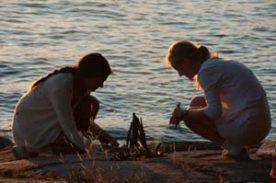
Finding opportunity in an eager public and inexpensive waterfront property,emerging summer camps looked to the model first formed on Chocorua Island in Squam Lake and over the next twenty years spread across New England, New York, Pennsylvania, andWest Virginia.
As the idea of summer camp expanded, it also diversified, moving beyond the role of serving wealthy boys. But whether they served rich or poor, boys or girls, the educational experiences of summer camp maintained certain similarities.
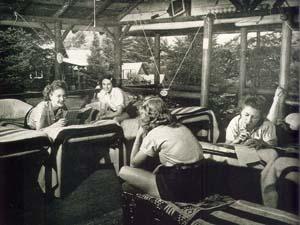
Youth left home for an extended period of time in the summer to live in a rustic environment grounded in the landscape where their physical activity and adventures together taught them lessons they could not learn in the traditional academic classroom.
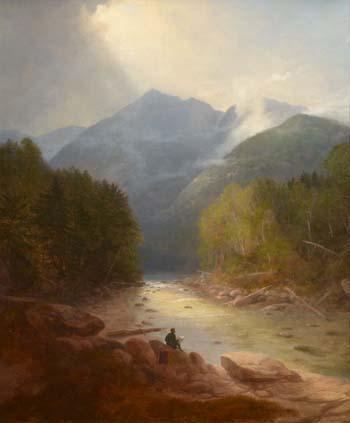
The parents who sent the first generation of children to summer camp longed to connect to the America that they believed existed before the urbanization and industrialization that marked the late nineteenth century. This nostalgia was not rooted in any experience from their own youth; rather, it was based on the idealized image of America crafted by the romantic poets, authors, and artists popular during the period.
The romantic literature of the day stressed a deep connection to nature and a rejection of modern life including technology. As early camp directors worked to craft a curriculum of activities, they turned to popular wilderness motifs, providing opportunities for hiking, paddling, campfires, and nature study while also fusing them with the Progressive ideals of the time.
Novels by authors like James Fennimore Cooper, Nathaniel Hawthorne, and Rudyard Kipling were very influential in the formation and early years of the summer camp movement. When Elizabeth Ford Holt founded Camp Mowglis, a camp built around the the ideals expressed Rudyard Kipling’s Jungle Books, in 1903, she did so with Kipling’s permission and blessing.
Camp directors regularly read poetry and short stories to their campers in the evening as part of the moral education of the campers. In the case of Ogontz White Mountain Camp, poetry readings were the focus of every Thursday night, and highlighted the works of Emerson, Thoreau, Shakespeare, Tennyson, and Browning, as well as the camper’s own compositions.
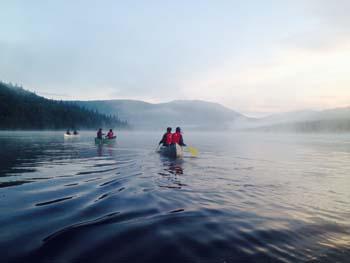
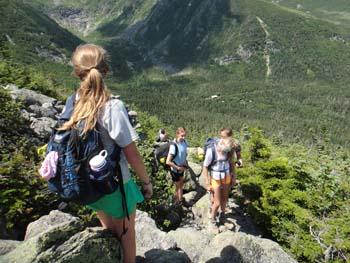
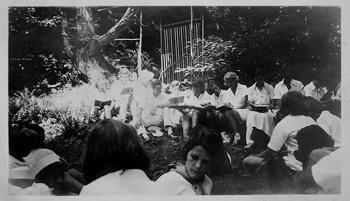
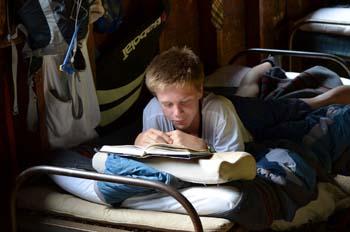
Experiential romanticism continues to be a foundational building block for the summer camp movement, representing both nostalgia for a desired past and a refuge from the ever increasing stressors of modern life and technology.
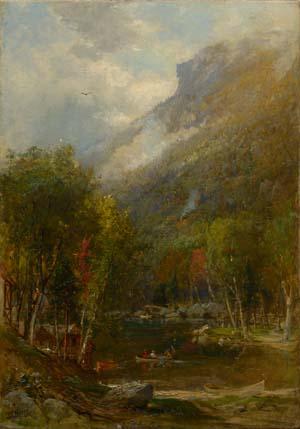
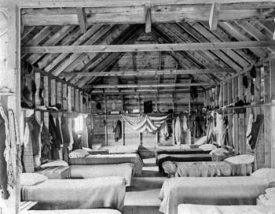
From their inception, summer camps were educational institutions working in large part to either supplement students’ learning or to prepare the campers for their next stage of life. Because of this, early summer camps stressed a close connection to America’s universities, especially the Ivy League. Many camps drew their counselor staff from elite colleges, helping to turn the camps into training grounds for collegiate life.
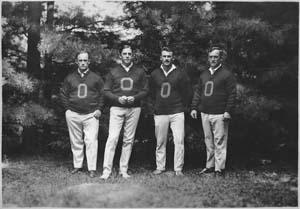
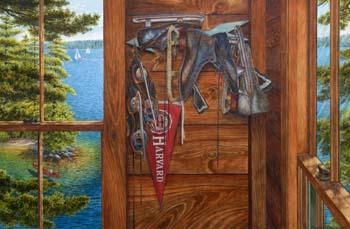
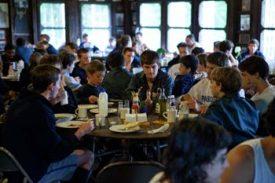
Camps like Pasquaney, founded on Newfound Lake in 1895, maintained close connections with Universities, students, and alumni. At Pasquaney, which was closely linked with Yale, college traditions found their way into to dailycamp life, including the attire, athletics, songs, dining hall practices, and the similarity of cabin décor and dorm room life.
Not all summer camps venerated New England’s elite universities. In a possibly tongue in- cheek swipe at the Ivy Leagues, the campers at Camp Belknap on Lake Winnipesaukee whose parents were more likely to be mill managers than mill owners, referred to their latrines as “Scollages,” bestowing upon them the names of Harvard, Dartmouth, and Princeton.
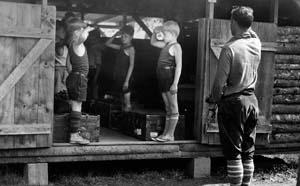
Dudley Sargent,the nation’s leading voice in physical education at the turn of the century and founder ofSargent Camp in Peterborough, New Hampshire, said:
There is little question that the summer camp is here as a permanent addition to our educational institutions. Already the camps have done more than save the boy’s summer, – they have made him a hardier, more resourceful boy, the promise of a more self-reliant, better disciplined man.
Although summer camps began as a supplement for the children of wealth and privilege, the value of a summer in a White Mountain summer camp was quickly harnessed by those working with children who didn’t fit the stereotype of wealthy, white, and male.
Progressives saw the potential of camp life as a means to uplift the poor, to Americanize immigrants, and to empower women. As a movement, the Progressives aimed to create a better and more just American society. Through camp, they could demonstrate that ideal as a livable reality on impressionable young minds.
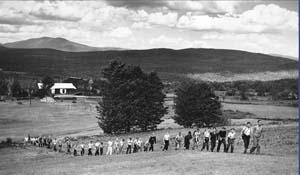
The Groton School Camp opened as an outreach project of the Groton School’s Missionary Society in 1893.The aim of the Groton School Camp was to bring together the wealthy elite students of the Groton School and the rough and ragged “street urchins” of Boston’s tenement houses.Among the many children who learned formative lessons about the common ground between people at the Groton School Camp was a young Franklin Delano Roosevelt.
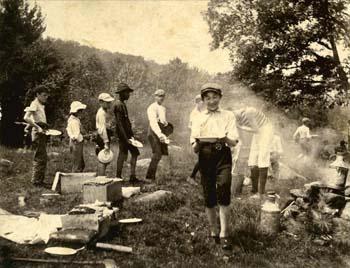
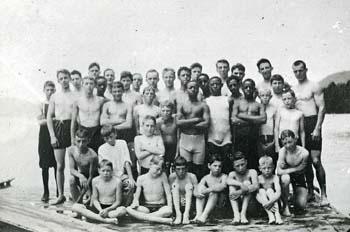
Organizations such as urban settlement houses specifically developed programs for the most at-risk youth in the community.One such program was the Hale House, located in Boston’s South End.In the summer of 1900, Hale House sent 14 inner-city boys to Onset Island in Buzzards Bay for a one-week camp session. The following year they shifted their camp to the shore of Squam Lake.
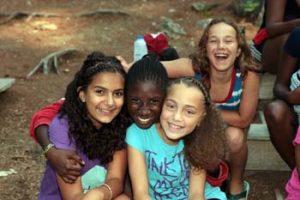
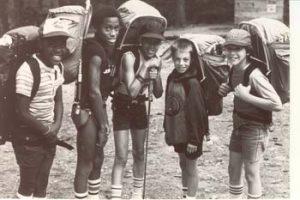

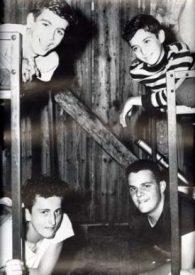
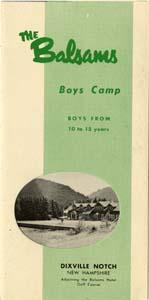
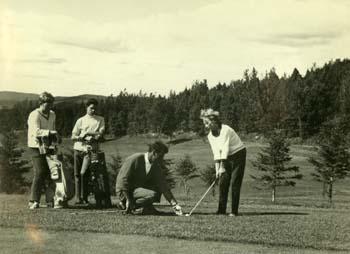
It was the first time I ever saw a rainbow. … Also, having never seen anything but the short, stubby, withering trees that dotted the North End [of Boston] streets, I never imagined a tree could be so large and glorious.” –Dante DeCristoforo, a caddy camper at the Maplewood Caddy Camp in Bethlehem, New Hampshire
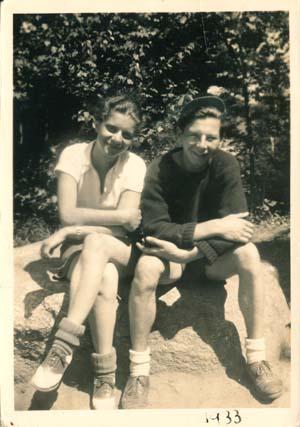
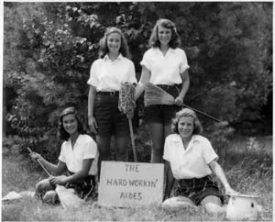
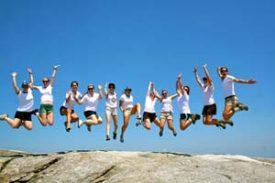
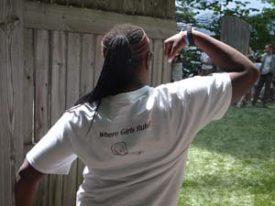
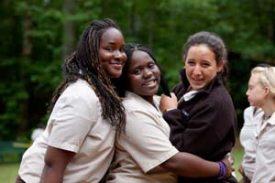
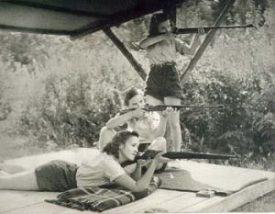
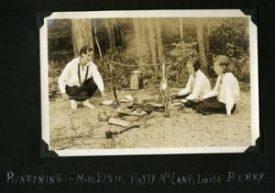
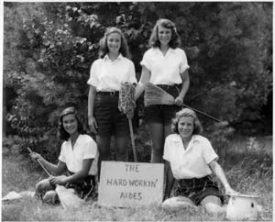
Camps began with boys, but soon evolved to include young women. From the beginnings of White Mountain tourism, women were able to find opportunity and adventure in the backcountry of New Hampshire. Both in the recreational opportunities and in the ways they were represented in the mass media, women were able to find a level of freedom and independence that was denied them in the cities and suburbs at lower altitudes.
Girls summer camps both challenged and reinforced the dominant gender norms of early twentieth-century American society. National programs like the Camp Fire Girls stressed a traditional model of womanhood where campers learned to tend to the hearth and other trades of the home. The Girl Scouts and programs like Sargent Camp challenged traditional norms by stressing the importance of physical education and women’s empowerment.
As Abby Sutherland, founder of Ogontz, White Mountain Camp described in 1935:
While the school disciplines the girl to habits of good daily adjustment, the camp does more than this: it also awakens her to her native air, the open, the woods and sky. As a camper, she is a citizen of two worlds, the manmade world of school, of art, and of society, and that great natural world of the trail, the woods and the sea.
Romanticized and stereotyped Native American imagery, philosophy, rituals, and culture play a complicated role in camp life.
In his novels, James Fenimore Cooper cast the native people’s of the northeast woodlands as the romantic ideal for nineteenth and twentieth century American audiences.Cooper’s heroes, both white and Indian, find adventure while traveling through the wilderness, hiking, paddling, tracking, cooking over campfires, sleeping under the stars, and learning from the natural world. These images went on to influence pulp literature, dime novels, theatrical performances, movies, and eventually television. Capturing the romantic understanding of what that involved, Camp leaders infused these romantic experiences into the core curriculum of camp.
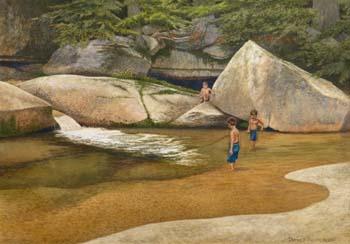
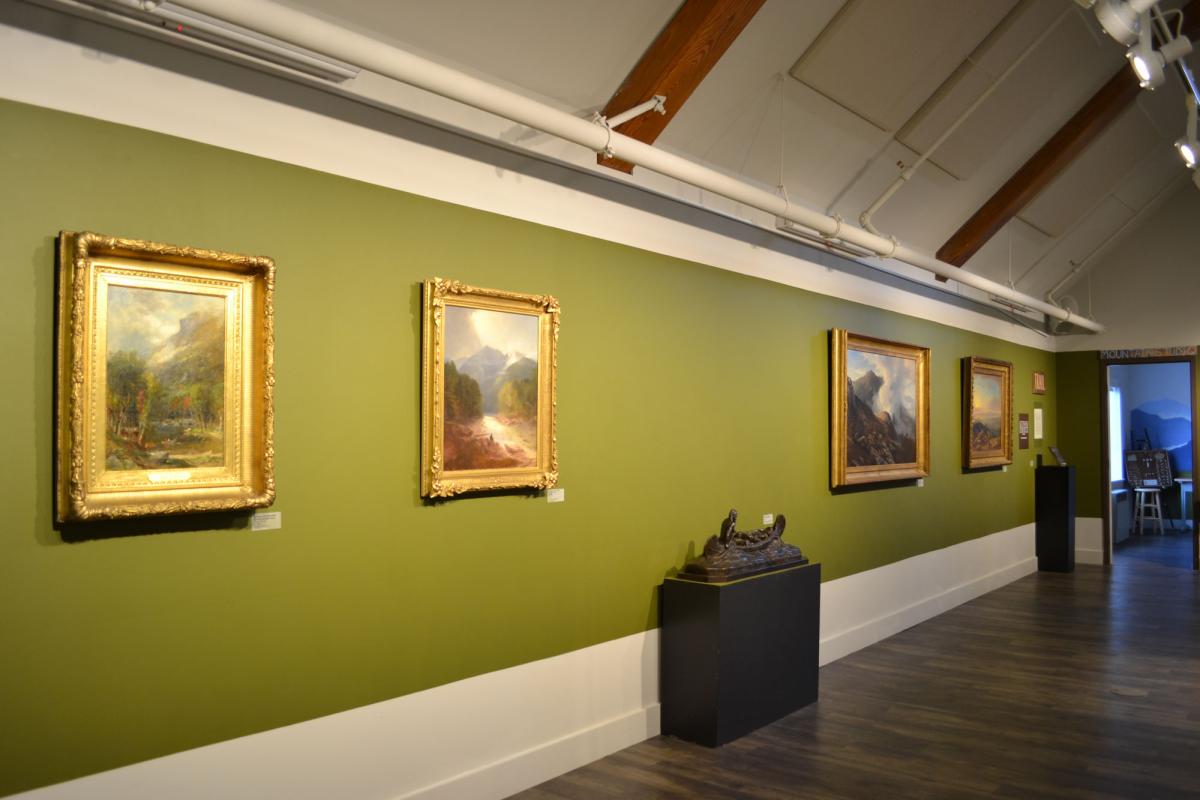
Peter Ferber. “Diana’s Bath.” 2011. Watercolor on Paper. Courtesy of Michael Mooney and Robert Cram.
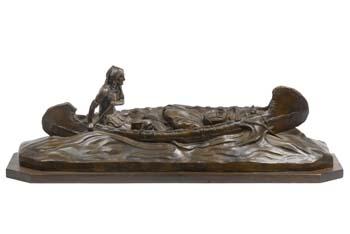
Robert Farrington Elwell. “Indian in a Canoe.” Bronze, 1900. John Hession Photo. Courtesy of Michael Mooney and Robert Cram.
Summer camps in the White Mountains and beyond often adopted Native American sounding names to promote their strong and intentional connections to romanticized Indian culture.
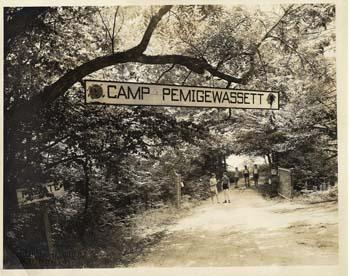
Courtesy of Camp Pemigewassett.
Both of the first two summer camps, Camp Chocorua and Asquam, assumed Indian place names. Camp Pasquaney took its name from the Abenaki word for “White Birch.” Camp Onaway’s name came from the scene in Longfellow’s Song of Hiawatha where Hiawatha marries Minnehaha. Camp Ogontz tookits name from an Ottowa chief who lived in what is now Ohio; when Abby Sutherland rented the Ogontz mansion for her girls’ school, she adopted the name, and when she opened her camp in New Hampshire in 1923, she took the name along with her.
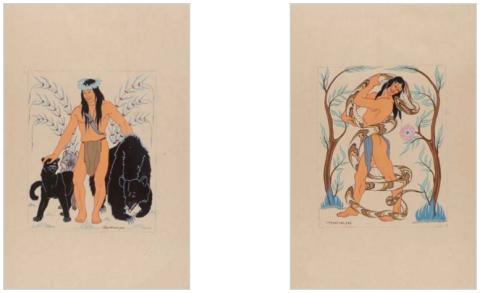
Original Mowglis themed artwork by former staff member and celebrated Native American artist, Richard West (Cheyenne name Wah-pah-nah-yah). Courtesy of Camp Mowglis.
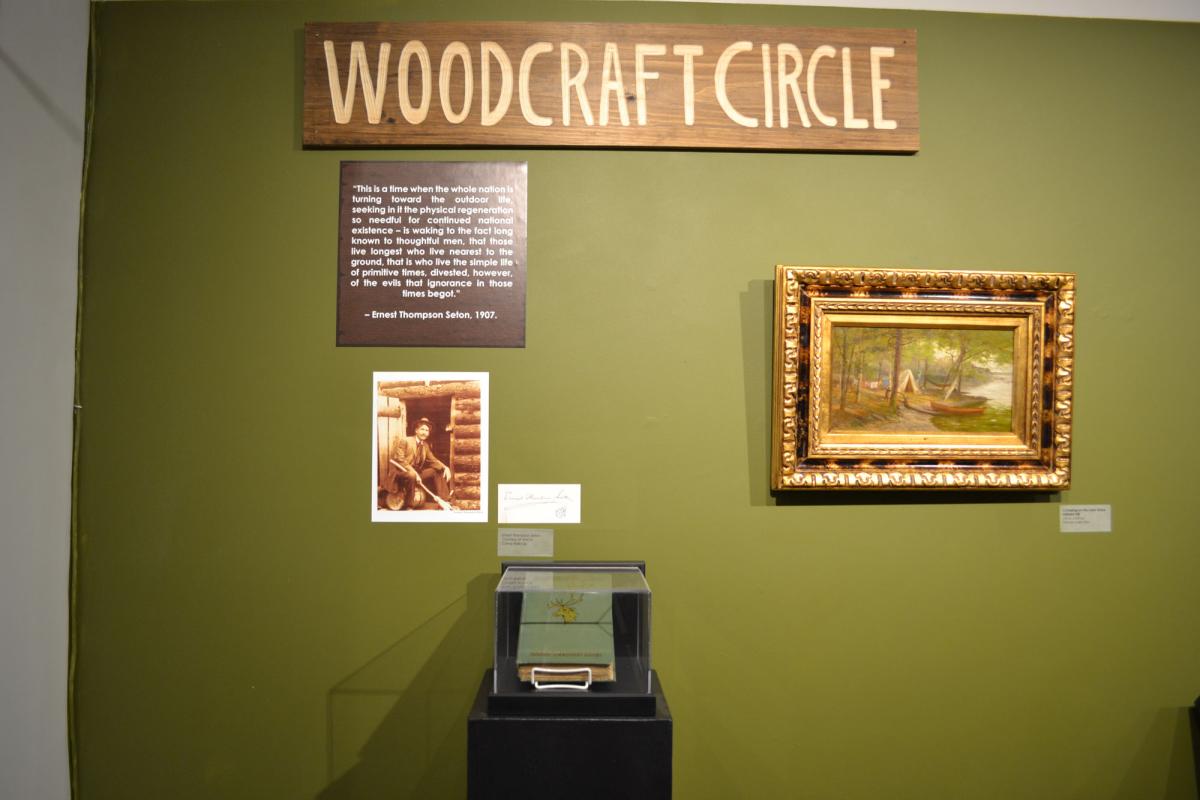
Euro-American perceptions of Native American culture influenced more than just the naming of summer camps; they were also fundamental to the educational curriculum of camp and the social science used to support the camp movement. Popular generalized representations of Native American religion became the standard within the curriculum of summer camp in the twentieth-century, in large part because of the work of Ernest Thompson Seton. Seton organized and popularized the Woodcraft Indian Movement, a role-playing experience where white children could live out their fantasies of being an Indian as sure as the Lost Boys of Neverland. Even in camps that did not directly use Seton’s Woodcraft curriculum, Native American concepts impacted the experience of camp.
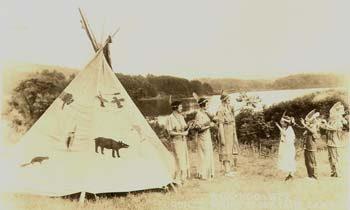
Courtesy of Camp Ogontz.
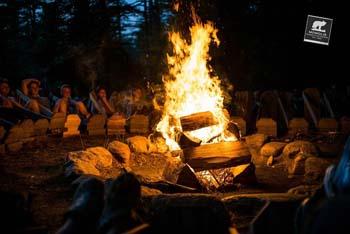
Courtesy of Camp Mowglis
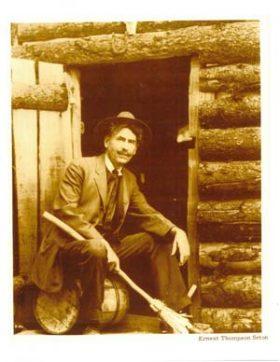
Ernest Thompson Seton. Courtesy of YMCA Camp Belknap.
By the late twentieth and twenty-first century, Americans began to show a greater sensitivity to the racial assumptions, stereotypes, prejudice, and injustice visited upon Native Americans and many summer camps changed their programs to meet this larger awareness, especially in regards to the racialized images and rituals that had been practiced for over a century.
For some camps however, the focus on tradition and nostalgia within the culture of summer camp gives these rituals meaning apart from the Native American images they were meant to simulate. As camp became a truly intergenerational experience with children attending the same camps and participating in the same rituals their parents and grandparents had experienced, these rituals assumed a level of sanctity all their own. Although they are most certainly not authentic to the Native American practices, this sanctity of has made thesetraditions difficult to abandon.
The romantic wilderness ideals that attracted so many to recreate in the outdoors and to send their children to camp rested on an anti-modern belief that assumed technology was unnatural and destructive to human health.
The common concern was that modern life and its accompanying technology was having catastrophic effects on American culture. What people felt they needed was to retreat to a simpler and healthier environment free from modern technology. Summer camp appeared to be the perfect medicine.Yet paradoxically, summer camps have always relied upon the use of ever-expanding technologies in order to maintain that safe and healthy environment that parents desire.
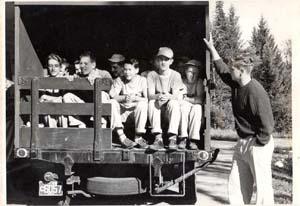
The most important technological innovation in the history of summer camp was the one that made camp possible: the railroad.Before the railroad, there was no efficient way to move large numbers of campers from the cities to remote mountain summer camps. With it, the iconic experience of camp began.
By the 1960s, as cars took over from trains as the most important means of transportation, the age of the camp train was replacedby the ritual of riding busses or of campers being dropped off by car.
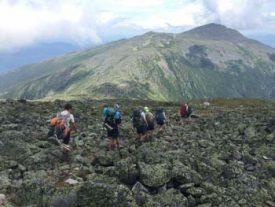
Technology found its way into camp throughout the twentieth century. Electricity proved to be safer in tents and cabins than candles or lanterns. External- framed backpacks, down sleeping bags, portable stoves, and free-standing exoskeleton and dome tents meant thatcampers hiking in the White Mountains did so with greater ease, comfort, and safety. Technological innovations also introducedentirely new types of adventure activities into the summer camp experience, likeropes courses.
The digital age has brought its own waves of technology to the world of summer camps, even as camps are promoted as a means for campers to unplug from society.In addition to hand-held radios, camp staff use cell phones to text messages between the camp office and groups in the field. Smartphones allow for instructors to have realtime Doppler radar information as they decide whether or not to begin a ropes course or head.
Online portals allow parents to send messages to their children, while also viewing daily photos from camp. Parents also have the opportunity to order mugs or mouse pads with the image of their child at archery practice the day after that child first took up the bow. The primary way camps promote themselves today is through exciting and interactive websites, complete with embedded videos that highlight the advantages of a summer spent away from technology.


Courtesy of Camp Mowglis

Courtesy of Camp Pemigewassett.

Courtesy of Camp Pemigewassett.

Groton School Camp. Courtesy of the Mayhew Program.

Courtesy of Onaway

Groton School Camp. Courtesy of the Mayhew Program.

Courtesy of Camp Mowglis.

Courtesy of Camp Hale – United South End Settlements & Mark Bolton Photography.

Courtesy of Camp Mowglis.