
The Cultural Value of Public Higher Education
In a residence hall common room of a four-year university, a group of students is discussing ideas from a class on the birth of democracy in ancient Greece. A student working on a political campaign for the New Hampshire primary joins to add connections she sees to the present-day democratic process. A computer science student stops to listen and finds herself thinking of algorithms used in political analysis. A political science major comes in after his off-campus work and talks about American constitutional protections while an environmental science major listens and considers how democracy might support new technologies to alleviate climate change.
The students argue, with civility and passion, about what democracy has been in the past, where it is now, and what the future might hold. They think deeply about what they have learned in various classes, listen to others’ ideas, and hone their own.
These students will be ready for the complex and ever-changing work world. They will know the importance ofworking in groups, learn the value oflistening and responding respectfully, and have the background knowledge tothink deeply and criticallyin order to find problems and propose solutions for our world. Combined with the practical application of knowledge in workplace experiences, they will beready for the work world.
Their college experience also prepares students for a meaningful life beyond work. Thevalueof higher education is about more thanjust the moneythey can earn, as important as that is to both the individual and the state. It is about teaching students how to learn, think critically, and to be flexible and agile in order to adapt to changing circumstances. It is about teaching studentshow to live well in a complex and diverse world while elevating our shared society.
At Plymouth State University, our General Education Program focuses on skills like those the students described above will need to beengaged citizens and lifelong learners. We embed thefour “Habits of Mind”(purposeful communication, problem solving, integrated perspective, and self-regulated learning) in this program. All students are exposed to these ways of thinking or engaging in the world multiple times during their academic career. Developing them is a lifelong pursuit and a necessary component of good citizenship.By practicing the Habits of Mind and gaining insight into the human condition,students learn how to promote engagement with others, question what is said or what they read, and seek to understand how individuals, including themselves, fit into the world.They learn how to connect and synthesize ideas, research and analyze, write and respond. As graduates, they may write the novel that you read in ten years, integrate dance and music in 3D multimedia displays in fifteen, or employ nursing and art to stimulate cognition within Alzheimer’s patients in twenty. They help add meaning to our world.
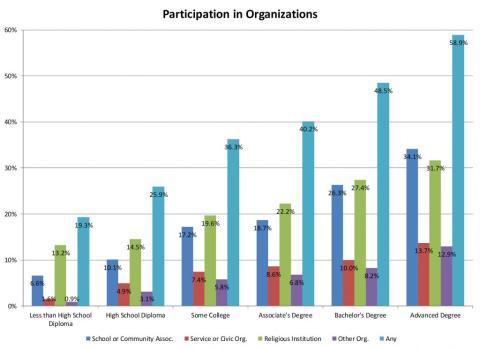
Researchcontinues to support the correlations between higher education graduates andincreased volunteerism, donations, organizational participation, community involvement, interactions with neighbors, and better health. As graduates, current students will help society respond to the environmental, cultural, and governmental challenges facing us through the education they gained in anaccessible,four-year higher education institution. Their collective impact strengthens our communities, regions, and our state as a whole.A college education provides a lifetime of value to the individual, New Hampshire, and society.
